Composite vs. Wood Decks in Annapolis: Which Is Right for You?
Planning a new deck or a resurfacing for spring? Here's an honest look at composite vs. wood decking for Annapolis homes: upkeep, comfort, looks, and why the frame underneath matters most.
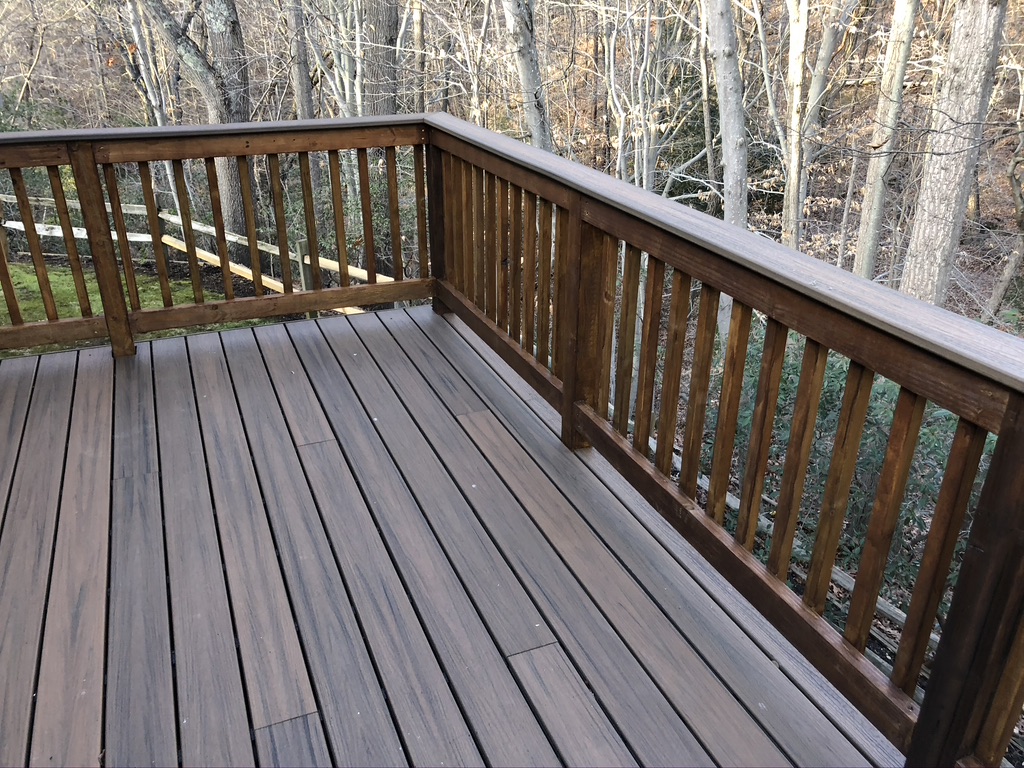
Composite vs. Wood Decks: An Honest Comparison for Annapolis Homeowners
This time of year, a lot of the calls we get across Annapolis, Severna Park, Crofton, Arnold, Edgewater and Davidsonville start the same way: "My deck made it through another summer, but I don't think it has many more in it. Should I go with composite this time, or stick with wood?"
It's a good question, and there isn't one right answer for every home. Both materials can give you a beautiful, safe deck. They just ask different things of you over the years. This guide lays out the real tradeoffs so you can plan with confidence, whether you're thinking about a new deck build or resurfacing the deck you already have.
Start Below the Boards: The Frame Matters Most
Before we talk about decking, here's the part that often gets skipped: the boards you walk on are only half the deck. Composite and wood decks are usually both built on pressure-treated wood framing, and that framing is what keeps everyone safe.
That means:
- Composite boards don't protect the frame. The joists, beams and posts under a composite deck are still wood, and they still need good drainage, proper flashing at the ledger, and sound connections.
- A resurfacing is only as good as what it sits on. We regularly find decayed joists or loose connectors under decks whose surface boards still look fine.
- Repairs come first. Our approach has always been to fix anything that makes a deck unsafe before we improve how it looks. If you're considering new boards, an honest inspection of the framing is the first step.
If you're not sure what shape your frame is in, our guide to deck restoration vs. replacement walks through what we look for.
Wood Decks: Classic Look, More Hands-On Care
There's a reason wood is still so popular around Anne Arundel County. A well-built wood deck looks warm and natural, it feels good underfoot, and it usually costs less up front.
What wood does well:
- Natural grain and warmth that fits traditional and waterfront homes alike.
- Lower initial cost, especially with pressure-treated lumber.
- Easy to repair in sections. Individual boards can be replaced and refinished to blend in.
- Plenty of finish options. Stain colors let you change the look over time; see our colors and finish options.
What wood asks of you:
- Regular cleaning and sealing. Maryland's humid summers, wet falls and freeze-thaw winters are hard on unprotected wood.
- Watching for rot and splintering, especially around fasteners, in shady spots and near the house.
- Periodic inspections of boards, railings and stairs.
If you enjoy keeping a deck looking its best, or you love the look of real wood, a wooden deck can serve you well for a long time. Hardwoods like ipe add durability and a rich look, with their own maintenance routine.
Composite Decks: Less Upkeep, Higher Up-Front Cost
Composite decking has come a long way. Today's boards come in wood-look tones and modern grays, and they're built to handle our weather with far less work.
What composite does well:
- No staining or sealing cycle. Routine cleaning is usually all the surface needs.
- No splinters, which matters for bare feet, kids and pets.
- Consistent color and boards that resist rot, warping and cracking on the surface.
- Matching railing systems for a clean, finished look.
What to weigh with composite:
- Higher material cost than pressure-treated wood.
- Heat in full sun. Darker boards can feel warm on summer afternoons, so color choice matters on a sunny deck.
- Framing still needs care. As above, the structure underneath is still wood and still needs to be built and maintained right.
- Framing requirements. Composite boards have their own spacing and installation requirements, so an existing frame may need adjustments before it can take them.
You can see the board and railing paths we offer on our composite decks page.
Side by Side: Quick Comparison
- Up-front cost: wood is lower; composite is higher.
- Yearly upkeep: wood needs cleaning, sealing or staining, and inspection; composite needs cleaning and inspection.
- Splinters: possible on wood as it weathers; none on composite.
- Look: wood has natural grain and can be restained; composite offers consistent wood-look or modern colors.
- Repairs: single wood boards are easy to swap and refinish; composite replacement boards should come from the same product line to match.
- Frame underneath: wood in both cases, and it needs regular inspection either way.
Resurfacing: Often the Best of Both
You don't always need to start from scratch. If your frame is solid, deck remodeling can mean all-new composite decking, low-maintenance railings and newly framed stairs on the structure you already have. That's often a smart middle path: you keep a sound frame and get a low-maintenance surface on top.
When the framing isn't worth saving, a full new build lets you choose the layout, materials and railing system from the ground up.
Why Plan Now for Spring
Late fall and winter are the best time to plan a deck project. An inspection now tells you whether you're looking at a deck repair, a resurfacing or a new build. It also gives you time to compare board samples and colors in person instead of rushing a decision in April, and it helps you get on the schedule before the spring rush.
Let's Find the Right Fit for Your Home
There's no wrong choice between composite and wood, only the right fit for your home, your budget and how much upkeep you want. We'll inspect your deck, tell you honestly what the frame needs, and walk you through both options side by side.
We serve homeowners throughout Annapolis, Severna Park, Crofton, Arnold, Edgewater, Davidsonville and the rest of Anne Arundel County. Browse our sample projects for ideas, then call 410-263-6270 or request an estimate to start planning your new deck.
Frequently asked questions
Is composite decking worth it in Annapolis?
For many homeowners, yes. Composite skips the yearly cleaning, sanding and staining cycle that wood needs in our humid summers and wet winters, and it won't splinter. It usually costs more up front than pressure-treated wood, so it comes down to how long you plan to stay and how much upkeep you want to take on. We walk through both options with you before you commit.
Can you put composite decking on my existing wood frame?
Often, yes, if the frame is sound. We inspect the joists, beams, posts, ledger and fasteners first. If the framing is solid and spaced correctly for the composite board you choose, we can resurface it with composite. If we find rot or weak connections, we repair those first, because new boards on a failing frame only hide the problem.
Does composite decking get hot in the summer?
Composite boards, especially darker colors, can feel warmer underfoot than wood in direct afternoon sun. Lighter colors and shaded decks help a lot. If your deck faces the sun all day, it is worth comparing color samples in person before you choose.
How long does a wood deck last in Maryland?
It depends heavily on care. A wood deck that is cleaned, sealed and inspected regularly can serve for many years, while one that is left to weather can develop rot, splitting and loose fasteners much sooner. Shade, drainage and how close it sits to the water all play a part.
When should I book a spring deck project?
Fall and winter are the best time to plan. Getting an inspection and estimate now gives you time to compare materials and colors and get on the schedule before the spring rush. Call 410-263-6270 or request an estimate online to get started.